Knee Ligament Surgery
What is Knee Ligament Surgery?
One of the most frequent injuries to the knee is a sprain or rupture of the anterior cruciate ligament (ACL). This kind of injury is more likely to occur in athletes who play high-demand sports like basketball, football, and soccer.
Reconstruction surgery may be necessary if you have suffered an ACL damage, depending on a number of variables, such as the extent of the injury and your degree of physical activity.
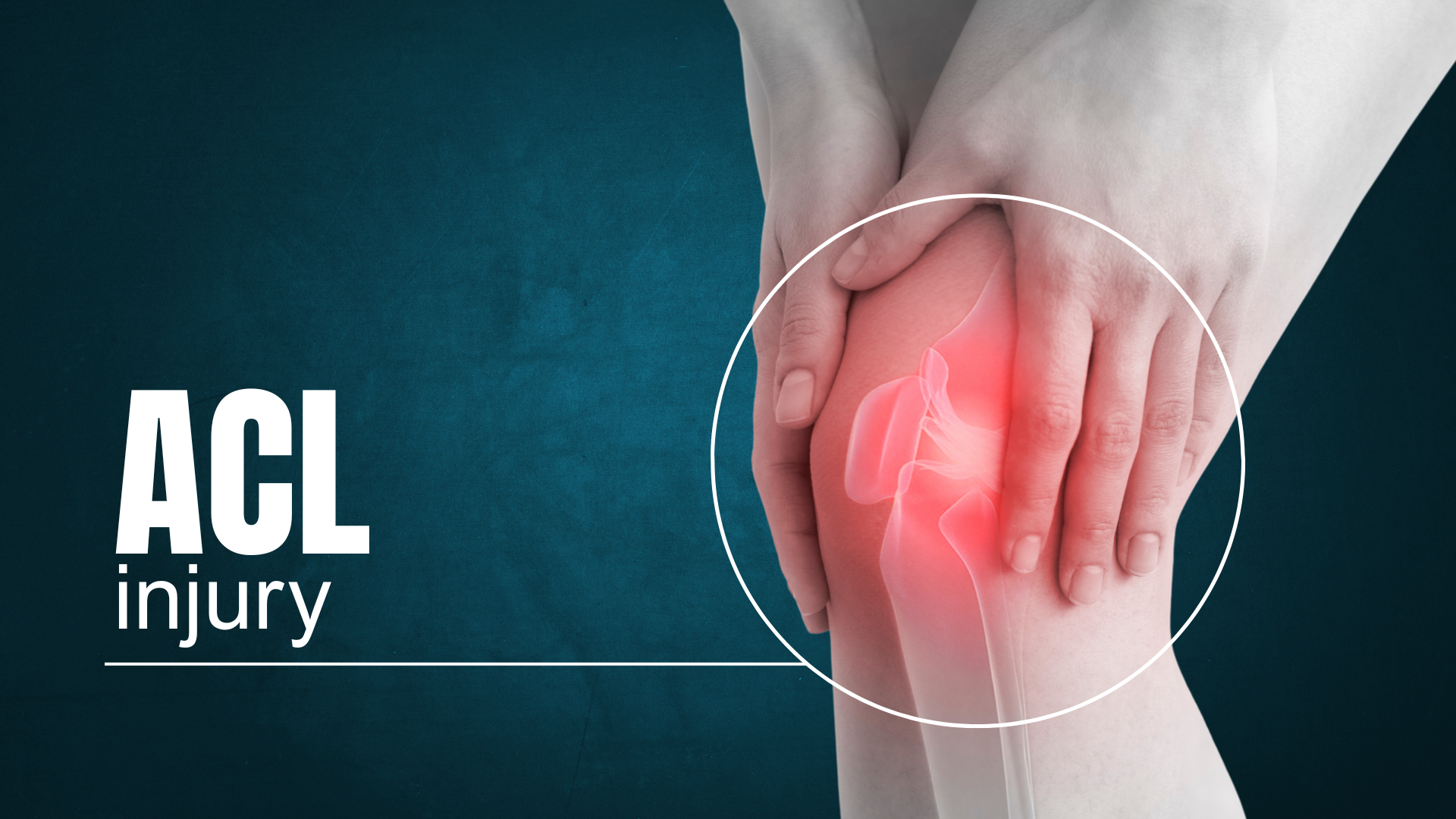







Anatomy of the anterior cruciate ligament
The thighbone (femur), shinbone (tibia), and kneecap (patella) come together to form the knee joint. For further protection, the kneecap rests in front of the joint.
Ligaments, which serve as sturdy ropes to hold the bones together and preserve knee stability, connect these bones.
Collateral Ligaments
- These are found on the sides of your knee. The medial collateral ligament is on the inside and the lateral collateral ligament is on the outside. They control the sideways motion of your knee and brace it against unusual movement.
Cruciate Ligaments
- You can find these inside your knee joint. An "X" is formed by their crossing, with the posterior cruciate ligament in back and the anterior cruciate ligament in front. Your knee's back and forth motion is controlled by the cruciate ligaments.
- In the center of the knee, the anterior cruciate ligament runs diagonally. It gives the knee rotational stability and stops the tibia from sliding out in front of the femur.
Different Types of Ligament Sprains
Damage to other knee tissues, such as the meniscus, articular cartilage, or other ligaments, is present in approximately half of all anterior cruciate ligament (ACL) injuries. ACL injuries are categorized as "sprains" and are ranked according to severity.
Grade 1 Sprains: These injuries entail minor ligament injury, where the ligament is slightly stretched but still capable of supporting the stability of the knee joint.
Grade 2 Sprains: Also known as a partial tear of the ligament, grade 2 sprains cause the ligament to strain until it becomes loose.
Grade 3 Sprains: Usually called a complete rupture of the ligament, this condition causes the knee joint to become unstable and the ligament to split in two.
It should be mentioned that the majority of ACL injuries are total or almost complete tears; partial tears are uncommon.
Symptoms And Causes Of ACL Injuries
Check out the most common symptoms and causes:
Common Symptoms of ACL Tears
An anterior cruciate ligament injury might cause your knee to give out from under you and produce a "popping" sound. Other common symptoms include of:
- Swelling and pain. Your knee will swell within a day. The discomfort and swelling can go away on their own if you ignore it. Your knee will most likely be unstable if you try to resume sports, and you run the danger of further harming the meniscus, the knee's cushioning cartilage.
- Reduction in range of motion
- The joint line is tender.
- Uncomfortable walking
- sensation of knee instability
causes of acl injuries
The anterior cruciate ligament can be injured in several ways:
- Changing direction rapidly
- Stopping suddenly
- Slowing down while running
- Landing from a jump incorrectly
- Direct contact or collision, such as a football tackle
In several sports, female athletes are more likely than their male counterparts to sustain an ACL injury, according to numerous studies. It is thought that differences in muscle strength, neuromuscular control, and physical training are the cause of this disparity. Increased ligament laxity, variations in pelvic and lower extremity alignment, and the impact of estrogen on ligament characteristics are other factors that have been suggested as reasons.
Doctor Examination Knee Ligament Surgery
Physical Examination and Patient History
- Your orthopedic surgeon will discuss your medical history and symptoms with you on your initial visit.
- Your doctor will examine every structure in your injured knee during the physical examination and compare it to your uninjured knee. A comprehensive physical examination of the knee helps diagnose the majority of knee ligament surgeries.
Imaging Tests
Your doctor may also use the following additional tests to confirm your diagnosis:
- X-rays can reveal whether the injury is related to a fractured bone, but they will not show any damage to your anterior cruciate ligament.
- scan using magnetic resonance imaging (MRI). Better pictures of soft tissues, such as the anterior cruciate ligament, are produced by this investigation. To diagnose a torn ACL, however, an MRI is typically not necessary.
ACL Treatment
The specific requirements of each patient will determine the type of ACL tear surgery that is performed. For instance, in order to properly resume sports, the young athlete participating in agility sports will probably need surgery. Without surgery, the less active person—who is typically older—may be able to resume a more sedate lifestyle.
Imaging Tests
- Without surgery, a ruptured ACL cannot mend. However, those who are highly inactive or elderly may benefit from nonsurgical treatment. If the knee's general stability remains unharmed, your doctor might suggest easy, nonsurgical solutions.
- Bracing: To prevent instability in your knee, your acl tear surgeon can suggest a brace. You can be prescribed crutches to prevent you from bearing weight on your leg, further protecting your knee.
- Physical therapy: A cautious rehabilitation program is initiated as the swelling subsides. Certain exercises will strengthen the leg muscles supporting your knee and help it regain its function.
Surgical Treatment
- Rebuilding the ligament: The majority of ACL rips cannot be repaired by suturing. The ACL needs to be rebuilt in order to be surgically repaired and knee stability restored. Your physician will use a tissue graft to restore your injured ligament. A new ligament can form on top of this graft, which serves as scaffolding.
- Every source of graft has benefits and drawbacks. To assist you choose the best option for you, you should talk about graft options with your own orthopedic specialist.
- It could take six months or longer for an athlete to resume athletics following surgery because regrowth takes time.
- Procedure: Using an arthroscope and tiny incisions, surgery is performed to repair an anterior cruciate ligament. A less intrusive procedure is arthroscopic surgery. reduced intrusive procedures have the advantages of shorter recovery periods, reduced hospital stays, and less surgical pain.